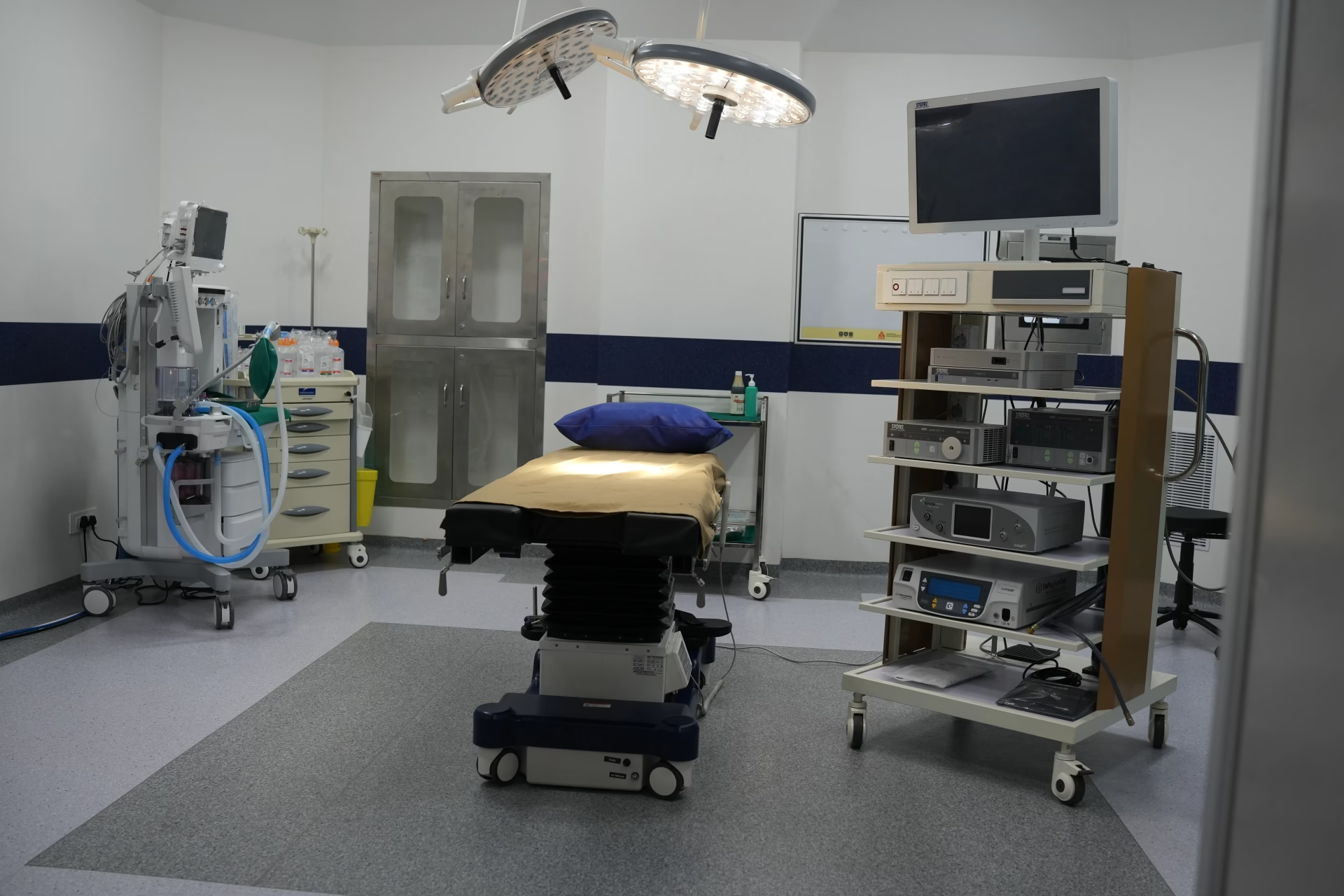
Anaesthesiology
Expert Care, Advanced Technology, Compassionate Service
Department of Anaesthesiology
What is Anaesthesiology?
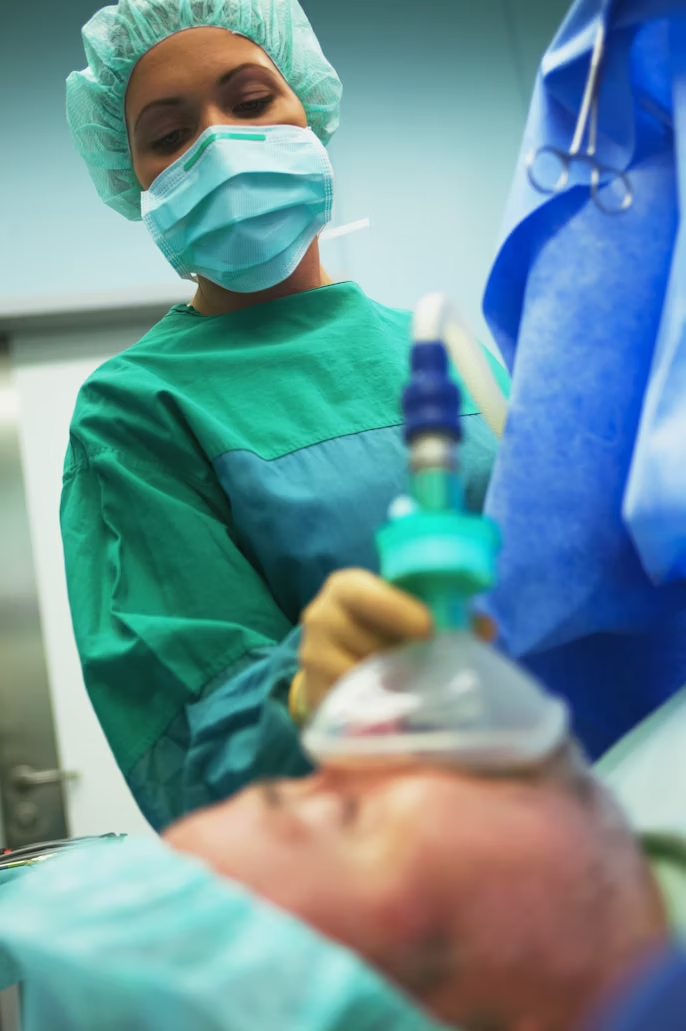
Anaesthesiology is the medical specialty dedicated to patient safety and pain management before, during, and after surgical procedures. Anaesthesiologists are highly trained physicians responsible for administering anaesthesia, which allows patients to undergo surgery without pain or distress. Their role is comprehensive, involving a preoperative assessment of the patient's health, continuous monitoring of vital life functions during the procedure, and managing the patient's recovery and postoperative pain. This field is a cornerstone of modern surgery, ensuring that complex operations can be performed safely and comfortably.
Key Areas of Anaesthesiology
This specialty encompasses several critical areas of patient care:
- ✓General Anaesthesia: Inducing a state of controlled unconsciousness for major surgeries.
- ✓Regional Anaesthesia: Numbing a specific region of the body (e.g., an arm, leg, or the lower half of the body with an epidural) while the patient may remain conscious.
- ✓Sedation (Monitored Anaesthesia Care): Providing a state of relaxation and pain relief for minor procedures.
- ✓Pain Management: Specializing in techniques to manage both acute pain after surgery and chronic pain conditions.
- ✓Critical Care Medicine: Anaesthesiologists often manage patients in the Intensive Care Unit (ICU), overseeing life support and treating critically ill patients.
Diagnostic and Treatment Approaches
Before any procedure, a thorough preoperative evaluation is conducted to assess the patient's medical history and fitness for anaesthesia, which helps in creating a tailored anaesthetic plan. During surgery, the anaesthesiologist uses sophisticated monitoring equipment to track the patient's heart rate, blood pressure, oxygen levels, and breathing in real-time. Postoperatively, pain is managed using a variety of methods, from oral medications to advanced techniques like Patient-Controlled Analgesia (PCA), where patients can self-administer pain relief, and nerve blocks that provide prolonged pain control to a specific area.
Our Medical Experts
Meet our highly qualified healthcare professionals dedicated to providing exceptional medical care with expertise and compassion

Dr. P. Selvakumar
Emergency, Critical Care & Anaesthesia
CEO & Medical Director, Senior Consultant
MD, PDCC
Dr. L. Rajeswari
Anaesthesiologist & Critical Care
Consultant Anaesthesiologist & Critical Care Physician
MBBS, MD, IDCCM
Dr. Sankarnarayanan
Anaesthesiologist & Critical Care
Consultant Anaesthesiologist & Critical Care Physician
MBBS, MD (Anes)

Dr. N. Prasath Kumaran
Anaesthesiologist
Emergency, Critical Care & Anaesthesia
MBBS, MD (ANAES)
Frequently Asked Questions
Common questions about Anaesthesiology at SSS Hospital Erode