Neurology
Expert Care, Advanced Technology, Compassionate Service
Department of Neurology
What is Neurology?
Neurology is the medical specialty dedicated to the diagnosis and treatment of disorders of the nervous system. The nervous system is a complex and sophisticated system that includes the brain, spinal cord, and the network of nerves that connect them to the rest of the body. A neurologist is a physician trained to manage a wide range of conditions affecting this system. These conditions can impact everything from movement and sensation to thought and memory. The goal of neurology is to accurately diagnose these conditions, manage symptoms, slow disease progression, and improve the patient's quality of life.
Common Conditions Managed
Neurologists treat a diverse array of conditions, including:
- ✓Stroke: An emergency condition where blood flow to the brain is disrupted, causing brain cells to die.
- ✓Epilepsy and Seizure Disorders: Conditions characterized by recurrent, unprovoked seizures.
- ✓Headaches: Including chronic migraines and cluster headaches.
- ✓Movement Disorders: Such as Parkinson's disease, which affects movement, and essential tremor.
- ✓Dementia: A decline in cognitive function, with Alzheimer's disease being the most common cause.
- ✓Multiple Sclerosis (MS): An autoimmune disease that affects the brain and spinal cord.
- ✓Peripheral Neuropathy: Damage to the nerves outside of the brain and spinal cord, often causing weakness, numbness, and pain.
Diagnostic and Treatment Approaches
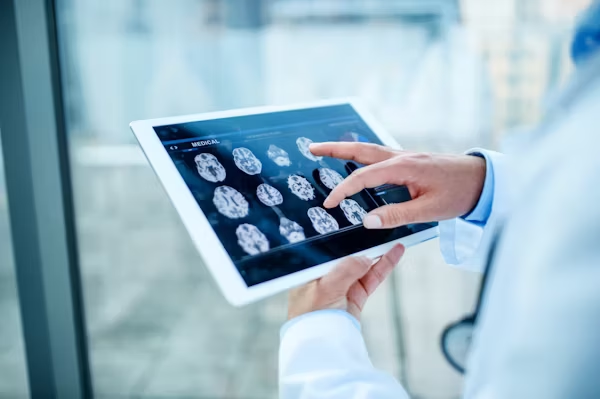
Neurological diagnosis begins with a detailed clinical examination to test reflexes, coordination, sensation, and cognitive function. Neuroimaging, particularly MRI and CT scans of the brain and spine, is crucial for visualizing the structure of the nervous system. To assess function, neurologists use tests like an Electroencephalogram (EEG) to measure brain electrical activity (for seizures) and Nerve Conduction Studies/Electromyography (NCS/EMG) to evaluate nerve and muscle health. Treatment is highly dependent on the diagnosis. For an acute stroke, emergency treatment may involve 'clot-busting' drugs. For chronic conditions like epilepsy or Parkinson's disease, management typically involves long-term medication. Physical and occupational therapy also play a vital role in rehabilitation and symptom management.
Our Medical Experts
Meet our highly qualified healthcare professionals dedicated to providing exceptional medical care with expertise and compassion

Dr. C. P. Suresh
Neurologist
Consultant - Neurologist
MBBS, MD (PAED), DM (NEURO)

Dr. P. Viggnesh
Neurologist
Consultant - Brain & Spine Surgeon
MBBS, MS, MCH, (NEURO SURGERY)
Frequently Asked Questions
Common questions about Neurology at SSS Hospital Erode