Nephrology
Expert Care, Advanced Technology, Compassionate Service
Department of Nephrology
What is Nephrology?
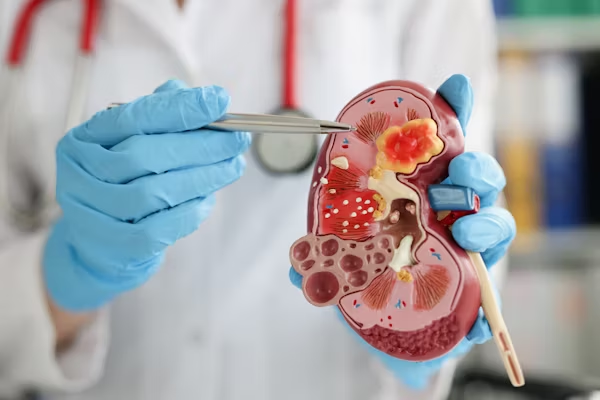
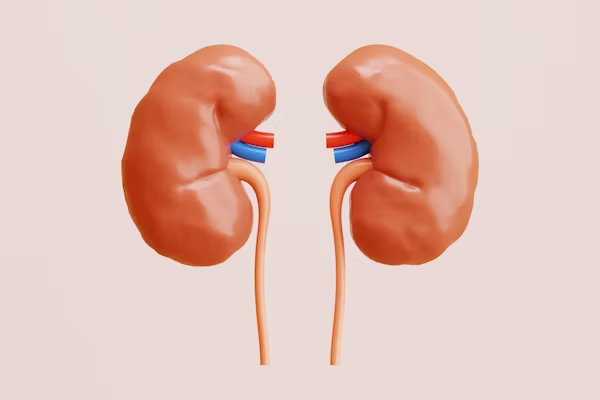
Nephrology is the branch of medicine that focuses on the kidneys. It is dedicated to the diagnosis, treatment, and management of diseases that affect kidney function. Nephrologists are physicians who specialize in all aspects of kidney health, from managing chronic kidney disease and electrolyte imbalances to overseeing dialysis and kidney transplantation. The kidneys play a vital role in filtering waste from the blood, regulating blood pressure, and maintaining the body's fluid and electrolyte balance. The goal of nephrology is to preserve kidney function, manage the complications of kidney disease, and improve the quality of life for patients.
Common Conditions Managed
Nephrologists treat a variety of conditions related to the kidneys:
- ✓Chronic Kidney Disease (CKD): A progressive loss of kidney function over time, often caused by diabetes or high blood pressure.
- ✓Acute Kidney Injury (AKI): A sudden episode of kidney failure or kidney damage that happens within a few hours or a few days.
- ✓End-Stage Renal Disease (ESRD): The final stage of CKD, where the kidneys have stopped working and require dialysis or a transplant.
- ✓Glomerulonephritis: Inflammation of the tiny filters in the kidneys (glomeruli).
- ✓Kidney Stones: Medical management and prevention of recurrent stones.
- ✓Hypertension: Especially high blood pressure that is difficult to control or is caused by kidney problems.
- ✓Electrolyte Disorders: Imbalances of crucial minerals like sodium, potassium, and calcium.
Diagnostic and Treatment Approaches
Diagnosis in nephrology relies on blood tests (to measure creatinine and estimate the glomerular filtration rate or GFR), urine tests (to check for protein or blood), and imaging studies like ultrasound to visualize the kidneys. A kidney biopsy may be performed to determine the specific cause of kidney disease. Treatment aims to slow the progression of the disease and manage symptoms. This often involves medications to control blood pressure, manage diabetes, and reduce protein in the urine. For patients with ESRD, life-sustaining treatment known as Renal Replacement Therapy is necessary. This includes dialysis (either haemodialysis or peritoneal dialysis) to filter the blood artificially, or a kidney transplant, which involves surgically placing a healthy kidney from a donor.
Our Medical Experts
Meet our highly qualified healthcare professionals dedicated to providing exceptional medical care with expertise and compassion

Dr. K. Yuvaraja
Nephrologist
Consultant - Nephrologist & Renal Transplant Physician
MBBS, MD, DM (Nephro)
Dr. Harish
Nephrologist
Consultant Nephrologist & Renal Transplant Physician
MBBS, MD, DM (Nephro)
Frequently Asked Questions
Common questions about Nephrology at SSS Hospital Erode