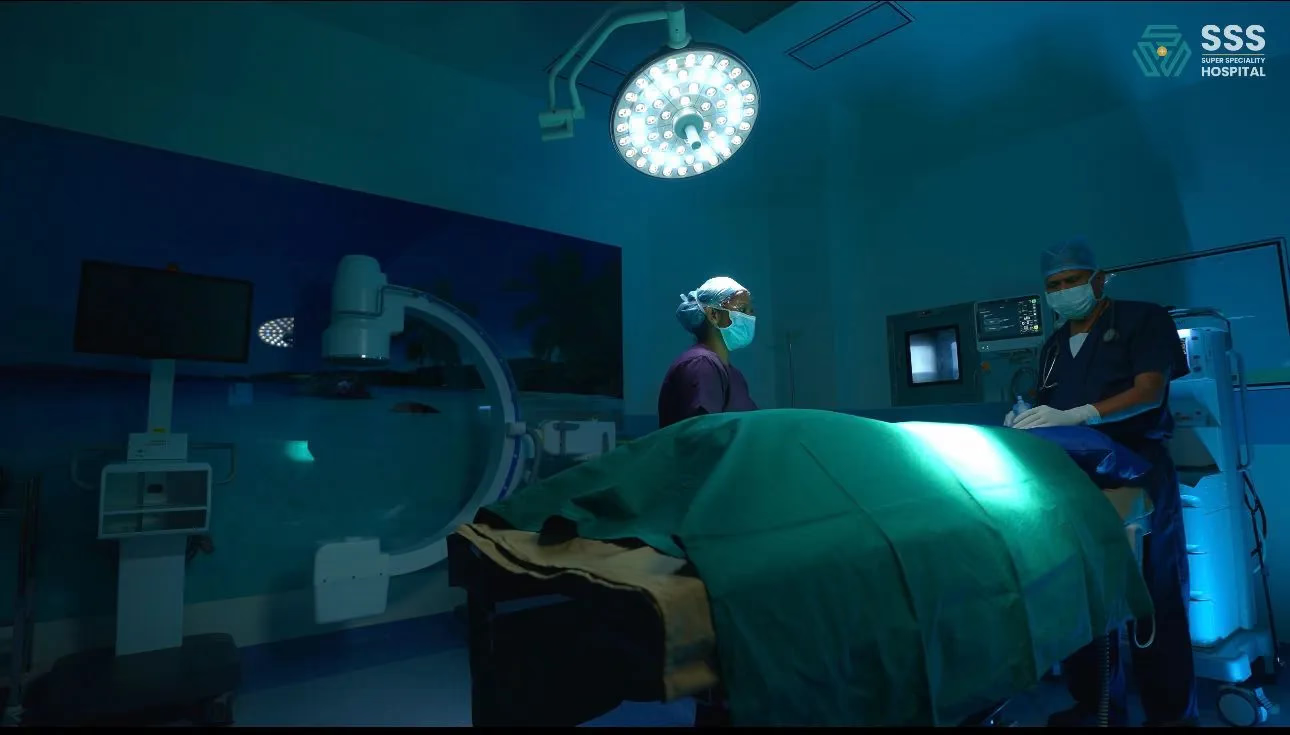
General Surgery
Expert Care, Advanced Technology, Compassionate Service
Department of General Surgery
What is General Surgery?
General Surgery is a broad surgical discipline that focuses primarily on the abdominal organs, but also includes procedures involving the breast, skin, soft tissues, and endocrine glands. A general surgeon is a highly skilled physician trained to manage a wide range of surgical conditions, from common issues like appendicitis and hernias to more complex cases like cancer surgery. They are proficient in both traditional open surgery and modern minimally invasive techniques. The specialty requires a deep understanding of anatomy, wound healing, and critical care, as general surgeons often manage critically ill or trauma patients.
Common Conditions Managed
General surgeons treat a diverse range of diseases, often through surgical intervention:
- ✓Abdominal Conditions:
- ✓Appendicitis: Inflammation of the appendix.
- ✓Gallbladder Disease: Including gallstones that require gallbladder removal (cholecystectomy).
- ✓Hernias: Protrusion of an organ through a weak spot in the abdominal wall.
- ✓Bowel Obstruction and other intestinal problems.
- ✓Diverticulitis.
- ✓Cancers: Surgical removal of tumors of the colon, rectum, stomach, and pancreas.
- ✓Breast Conditions: Management of both benign lumps and breast cancer.
- ✓Endocrine Disorders: Surgical treatment for diseases of the thyroid, parathyroid, and adrenal glands.
- ✓Anorectal Conditions: Treatment for hemorrhoids (piles), fissures, and fistulas.
Diagnostic and Treatment Approaches
Diagnosis is based on physical examination, patient history, and imaging studies like ultrasound, CT scans, and MRI. Endoscopic procedures like colonoscopy are also used for diagnosis. The cornerstone of treatment in general surgery is the surgical procedure itself. Modern surgical practice emphasizes laparoscopic surgery, a minimally invasive technique where surgery is performed through small incisions using a camera and specialized instruments. This approach typically results in less pain, shorter hospital stays, and faster recovery compared to traditional open surgery. For trauma, emergency surgery is often required to control bleeding and repair injuries.
Our Medical Experts
Meet our highly qualified healthcare professionals dedicated to providing exceptional medical care with expertise and compassion
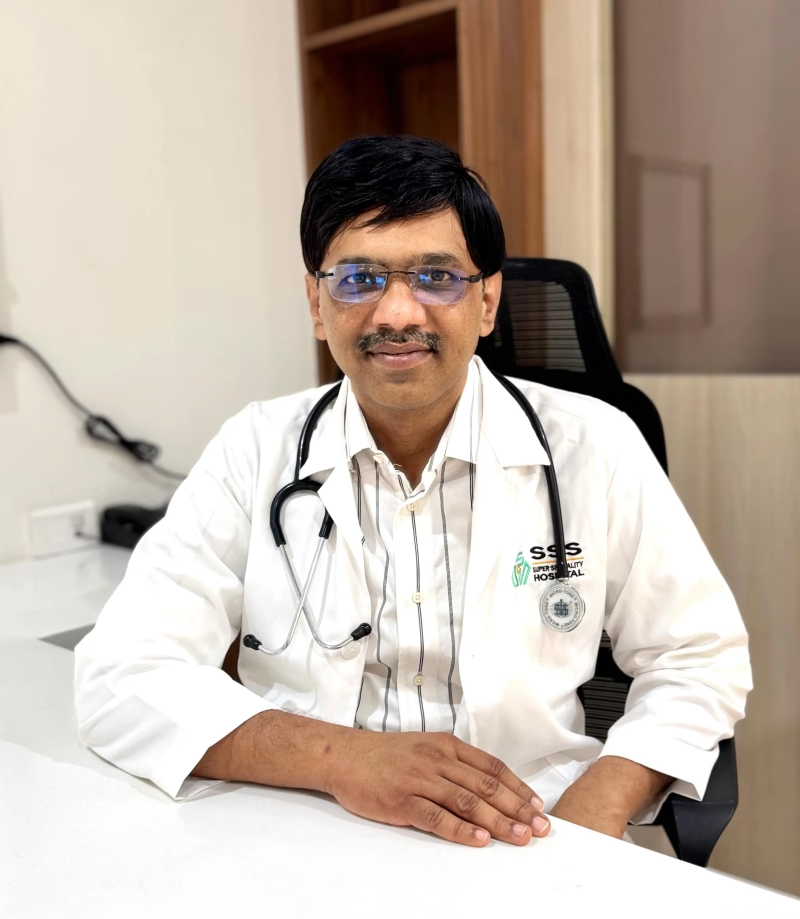
Dr. K. L. Sathish Kumar
Gastroenterologist
Sr. Consultant Endoscopist, Surgical Gastroenterologist & Laproscopic Surgeon
MBBS, MS (Gen Surg), FRCS (Ed), DBB (Surg Gastro), FMAS
Frequently Asked Questions
Common questions about General Surgery at SSS Hospital Erode