Ophthalmology
Expert Care, Advanced Technology, Compassionate Service
Department of Ophthalmology
What is Ophthalmology?
Ophthalmology is the branch of medicine dedicated to the anatomy, physiology, and diseases of the eye. An ophthalmologist is a medical doctor and surgeon who specializes in the comprehensive care of the eyes and vision. This includes everything from prescribing glasses and contact lenses to performing complex and delicate surgery. The specialty covers the diagnosis, treatment, and prevention of all eye diseases, visual problems, and injuries. The primary goal of ophthalmology is to protect and restore vision, one of our most vital senses.
Common Conditions Managed
Ophthalmologists treat a wide variety of eye conditions:
- ✓Refractive Errors: Common vision problems like myopia (nearsightedness), hyperopia (farsightedness), and astigmatism.
- ✓Cataracts: A clouding of the eye's natural lens, which is a leading cause of vision loss in older adults.
- ✓Glaucoma: A disease that damages the optic nerve, often due to high pressure inside the eye, leading to irreversible vision loss if not treated.
- ✓Retinal Disorders: Conditions affecting the light-sensitive tissue at the back of the eye, such as diabetic retinopathy and age-related macular degeneration (AMD).
- ✓Corneal Diseases: Problems affecting the clear front surface of the eye.
- ✓Strabismus (Squint): Misalignment of the eyes.
- ✓Dry Eye Syndrome: A common condition where the eyes do not produce enough quality tears.
Diagnostic and Treatment Approaches
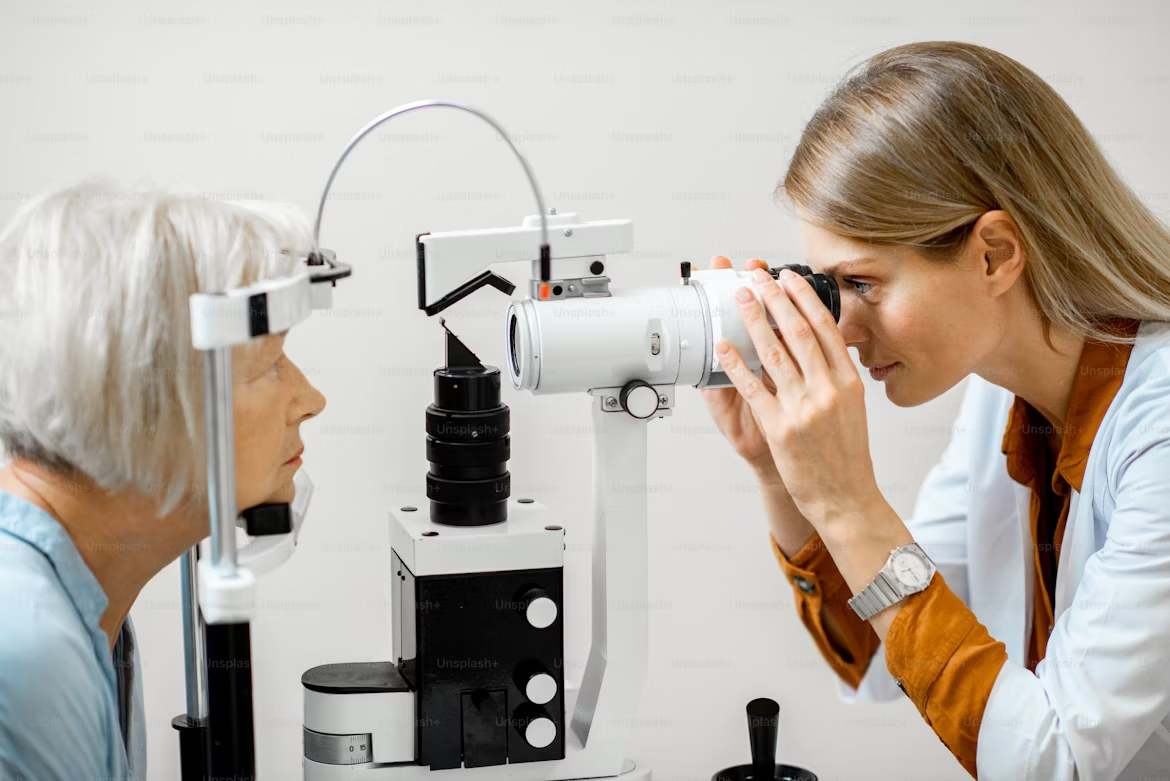
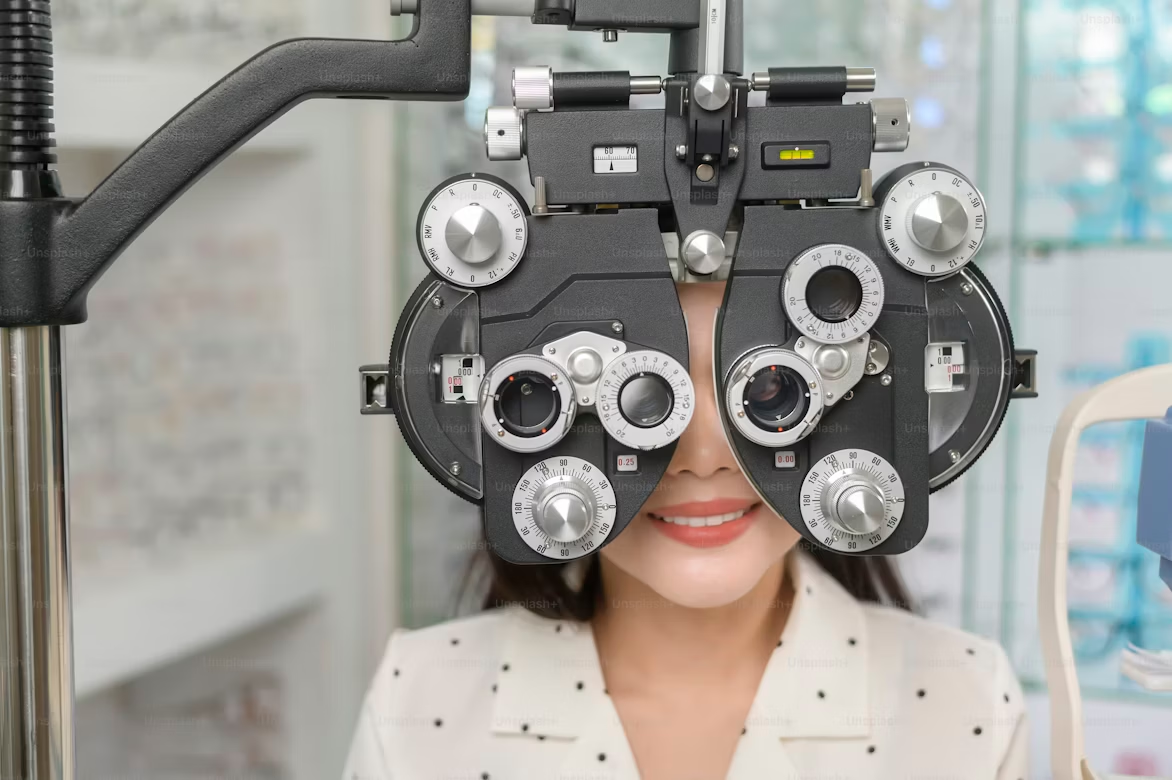
An ophthalmological examination is comprehensive, involving tests for visual acuity, eye pressure, and a detailed examination of the front and back of the eye using a slit lamp and other specialized instruments. Optical Coherence Tomography (OCT) is an advanced imaging technique that provides detailed cross-sectional views of the retina. Treatments are highly specific to the condition. Refractive errors are corrected with glasses, contact lenses, or refractive surgery (like LASIK). The standard treatment for cataracts is phacoemulsification, a minimally invasive surgery to remove the cloudy lens and replace it with a clear artificial lens. Glaucoma is typically managed with eye drops to lower eye pressure, while retinal conditions are often treated with lasers or injections into the eye.
Our Medical Experts
Meet our highly qualified healthcare professionals dedicated to providing exceptional medical care with expertise and compassion
Dr. S. Vijay Kumar
Ophthalmologist
Senior Consultant Ophthalmologist, Phaco-Refractive Surgeon, Minimally Invasive Glaucoma Surgeon and Medical Retina
MBBS, MS, FICO
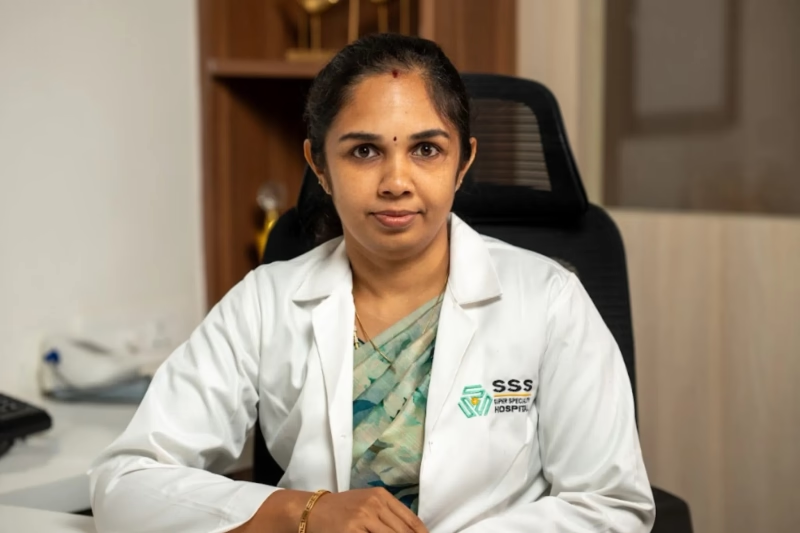
Dr. S. M. Sindoory
Ophthalmologist
Consultant - PHACO Comprehensive Ophthalmologist
MBBS, DO
Frequently Asked Questions
Common questions about Ophthalmology at SSS Hospital Erode