Physiotherapy
Expert Care, Advanced Technology, Compassionate Service
Department of Physiotherapy & Rehabilitation
What is Physiotherapy?
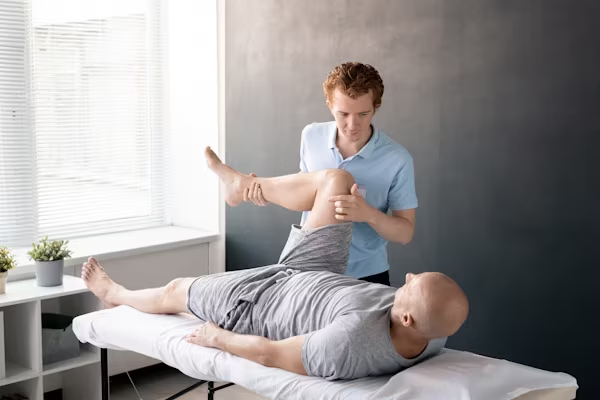
Physiotherapy, also known as physical therapy, is a healthcare profession that helps people affected by injury, illness, or disability through movement, exercise, manual therapy, education, and advice. Physiotherapists are experts in movement and function who work with patients of all ages to restore, maintain, and maximize their strength, mobility, and overall well-being. The goal of physiotherapy is to reduce pain, improve function, and enhance the quality of life. It is a key component of rehabilitation after surgery, injury, or for managing chronic conditions.
Key Areas of Physiotherapy
Physiotherapy is a broad field with many specialized areas:
- ✓Orthopaedic/Musculoskeletal: The most common area, focusing on treating injuries to bones, joints, muscles, and ligaments, such as back pain, sports injuries, and recovery after fracture or joint replacement.
- ✓Neurological: Helping patients with disorders of the nervous system, such as stroke, spinal cord injury, and Parkinson's disease, to improve balance, coordination, and functional independence.
- ✓Cardiopulmonary: Rehabilitation for patients with heart and lung conditions, such as after a heart attack or for those with chronic obstructive pulmonary disease (COPD).
- ✓Paediatric: Treating infants and children with developmental delays or congenital conditions.
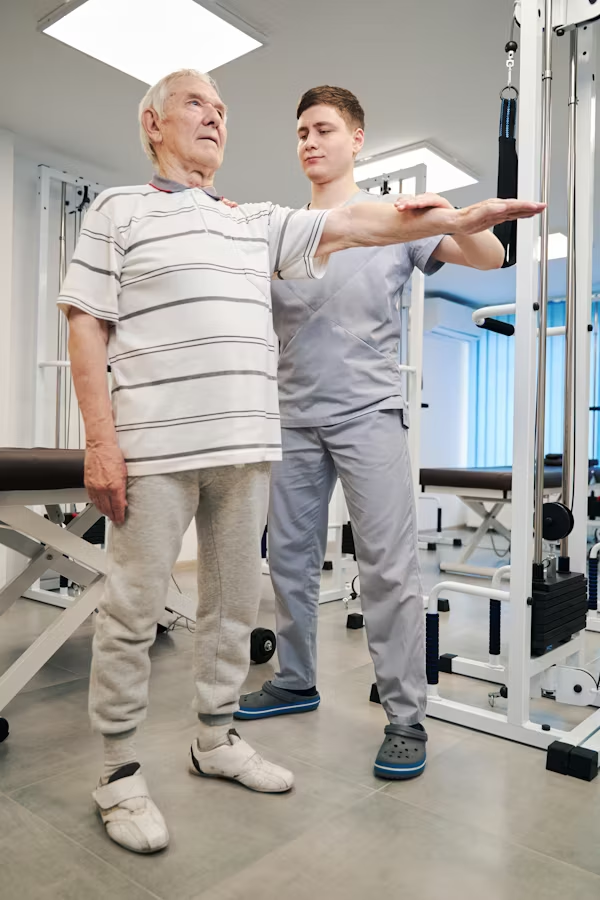
- ✓Geriatric: Focusing on the mobility and functional needs of older adults to maintain independence and prevent falls.
Diagnostic and Treatment Approaches
A physiotherapist begins with a detailed assessment of the patient's posture, movement, and strength to diagnose the problem. Based on this assessment, a personalized treatment plan is created. Treatment techniques are diverse and may include:
- ✓Therapeutic Exercise: Customized exercises to improve strength, flexibility, and endurance.
- ✓Manual Therapy: Hands-on techniques like joint mobilization and soft tissue massage to reduce pain and stiffness.
- ✓Electrotherapy: Using modalities like ultrasound or TENS (Transcutaneous Electrical Nerve Stimulation) to help relieve pain and promote healing.
- ✓Patient Education: A crucial component, where therapists teach patients about their condition and how to manage it, including proper posture and exercises to do at home.
Frequently Asked Questions
Common questions about Physiotherapy at SSS Hospital Erode