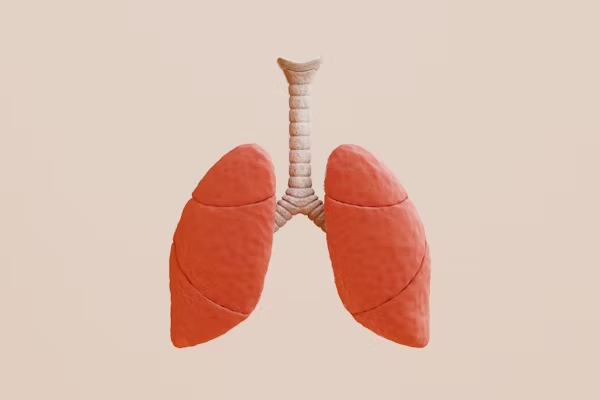
Pulmonology
Expert Care, Advanced Technology, Compassionate Service
Department of Pulmonology
What is Pulmonology?
Pulmonology is the medical specialty that deals with diseases involving the respiratory tract. A pulmonologist is a physician who specializes in the diagnosis and treatment of diseases and conditions of the lungs and respiratory system, which includes the airways, lungs, and chest muscles. The field covers a wide range of conditions, from common ailments like asthma and pneumonia to more complex disorders such as chronic obstructive pulmonary disease (COPD), interstitial lung disease, and sleep apnea. The primary goal of pulmonology is to help patients breathe better and manage their respiratory conditions effectively.
Common Conditions Managed
Pulmonologists treat a variety of conditions that affect breathing:
- ✓Asthma: A chronic disease that inflames and narrows the airways, causing wheezing and shortness of breath.
- ✓Chronic Obstructive Pulmonary Disease (COPD): A progressive lung disease, often caused by smoking, that makes it hard to breathe.
- ✓Pneumonia and Bronchitis: Infections of the lungs and airways.
- ✓Tuberculosis: A serious infectious disease that mainly affects the lungs.
- ✓Interstitial Lung Disease (ILD): A group of disorders that cause progressive scarring of lung tissue.
- ✓Obstructive Sleep Apnea (OSA): A condition where breathing repeatedly stops and starts during sleep.
- ✓Lung Cancer: Pulmonologists often play a key role in the diagnosis and staging of lung cancer.
Diagnostic and Treatment Approaches
Diagnosis in pulmonology often starts with a chest X-ray or CT scan to get an image of the lungs. Pulmonary Function Tests (PFTs) are a series of tests that measure how well the lungs are working. A bronchoscopy is a procedure where a thin, flexible tube with a camera is passed into the airways to visualize them and take samples if needed. For sleep apnea, a sleep study (polysomnography) is conducted to monitor breathing patterns during sleep. Treatment varies based on the condition. Asthma and COPD are typically managed with inhalers that deliver medication directly to the lungs. Sleep apnea is often treated with a CPAP machine, which provides continuous positive airway pressure to keep the airway open during sleep. Pulmonary rehabilitation, a program of exercise and education, is also a key part of treatment for many chronic lung diseases.

Our Medical Experts
Meet our highly qualified healthcare professionals dedicated to providing exceptional medical care with expertise and compassion

Dr. S. Chandrasekar
Pulmonologist
Senior Consultant Pulmonologist
MBBS, DTED, DNB, EDARM
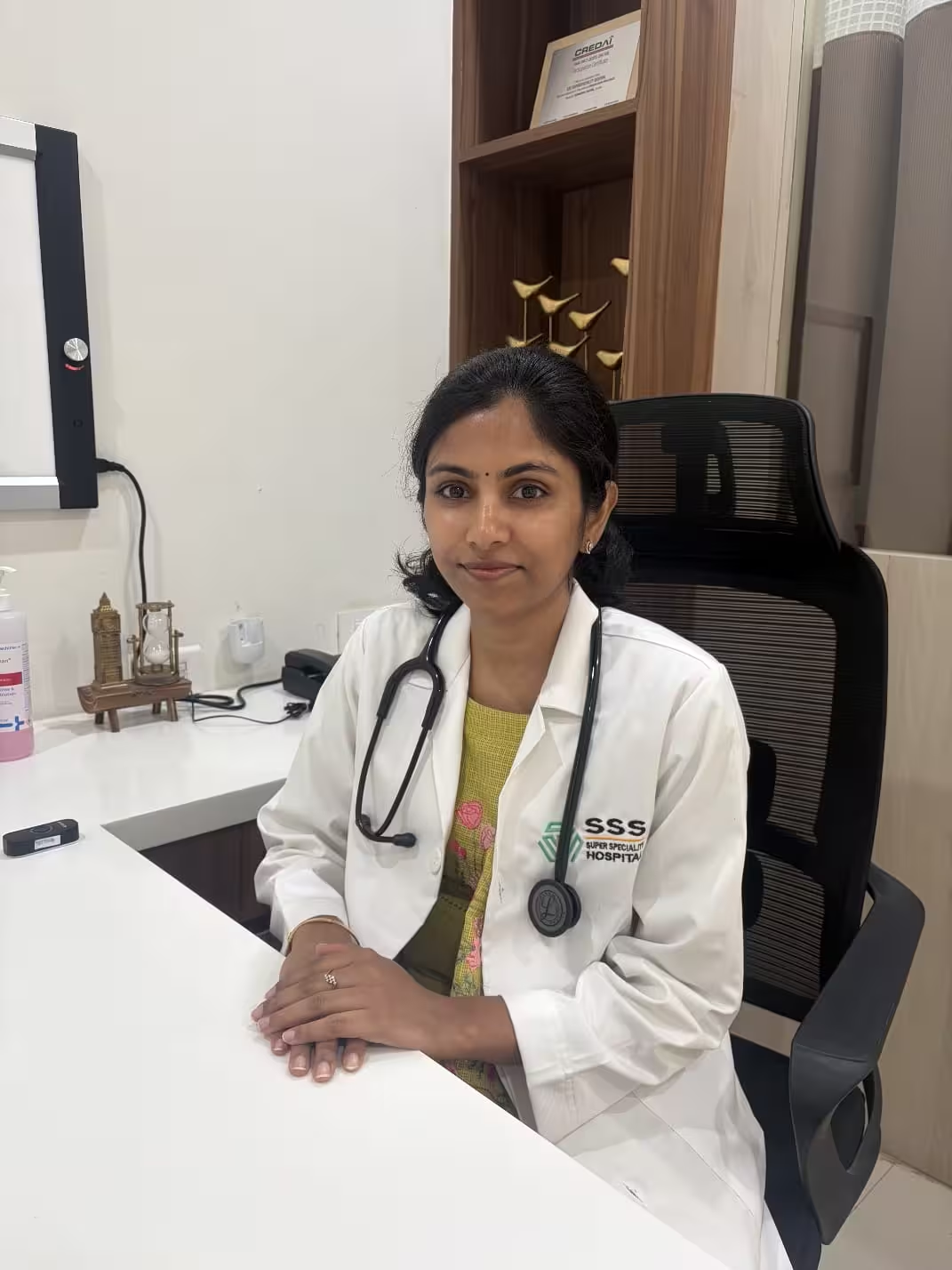
Dr. Nivethitha
Interventional Pulmonologist
Consultant Interventional Pulmonologist
MBBS, MD (Resp)
Frequently Asked Questions
Common questions about Pulmonology at SSS Hospital Erode