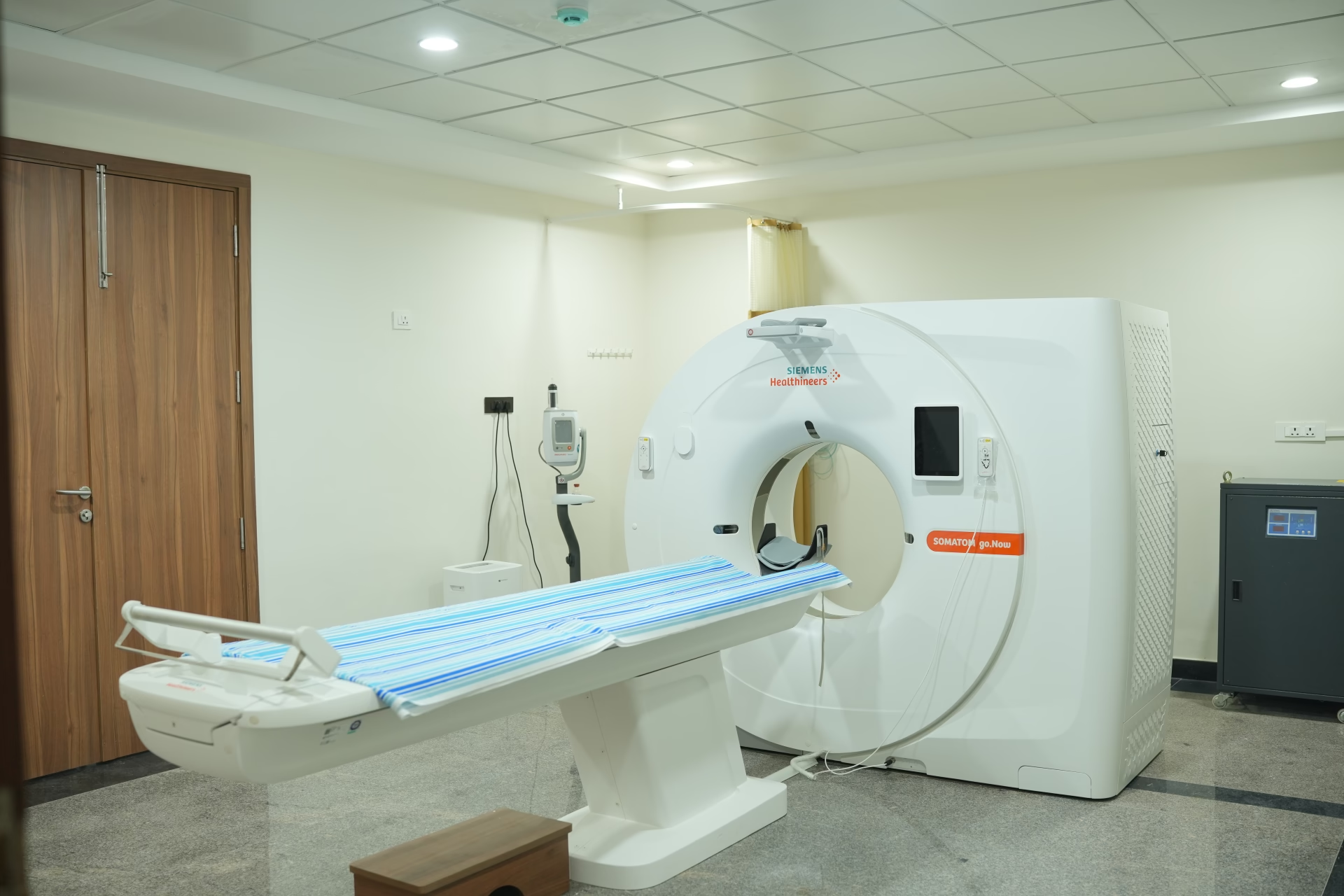
Radiology
Expert Care, Advanced Technology, Compassionate Service
Department of Radiology
What is Radiology?
Radiology is the medical specialty that uses imaging technologies to diagnose and treat diseases. Radiologists are medical doctors who are experts in interpreting these images to identify medical conditions. Often called the 'eyes of medicine,' radiology is a critical component of healthcare, as it allows physicians from all specialties to see inside the human body without surgery. The field can be divided into two main areas: diagnostic radiology, which focuses on diagnosing conditions, and interventional radiology, which uses imaging to guide minimally invasive therapeutic procedures.
Common Imaging Modalities
Radiology utilizes a variety of advanced technologies to create images of the body:
- ✓X-ray: The oldest and most common form of imaging, excellent for viewing bones and detecting some lung diseases.
- ✓Computed Tomography (CT) Scan: Uses X-rays and computer processing to create detailed cross-sectional images of the body, providing much more detail than a standard X-ray.
- ✓Magnetic Resonance Imaging (MRI): Uses a powerful magnetic field and radio waves to create highly detailed images of organs and soft tissues, especially the brain, spine, and joints.
- ✓Ultrasound: Uses high-frequency sound waves to create real-time images of organs and blood flow. It does not use radiation and is very safe.
- ✓Fluoroscopy: A type of X-ray that shows a continuous, moving image, like an X-ray movie.
- ✓Mammography: A specific type of X-ray imaging used for examining breast tissue.
Diagnostic and Treatment Approaches
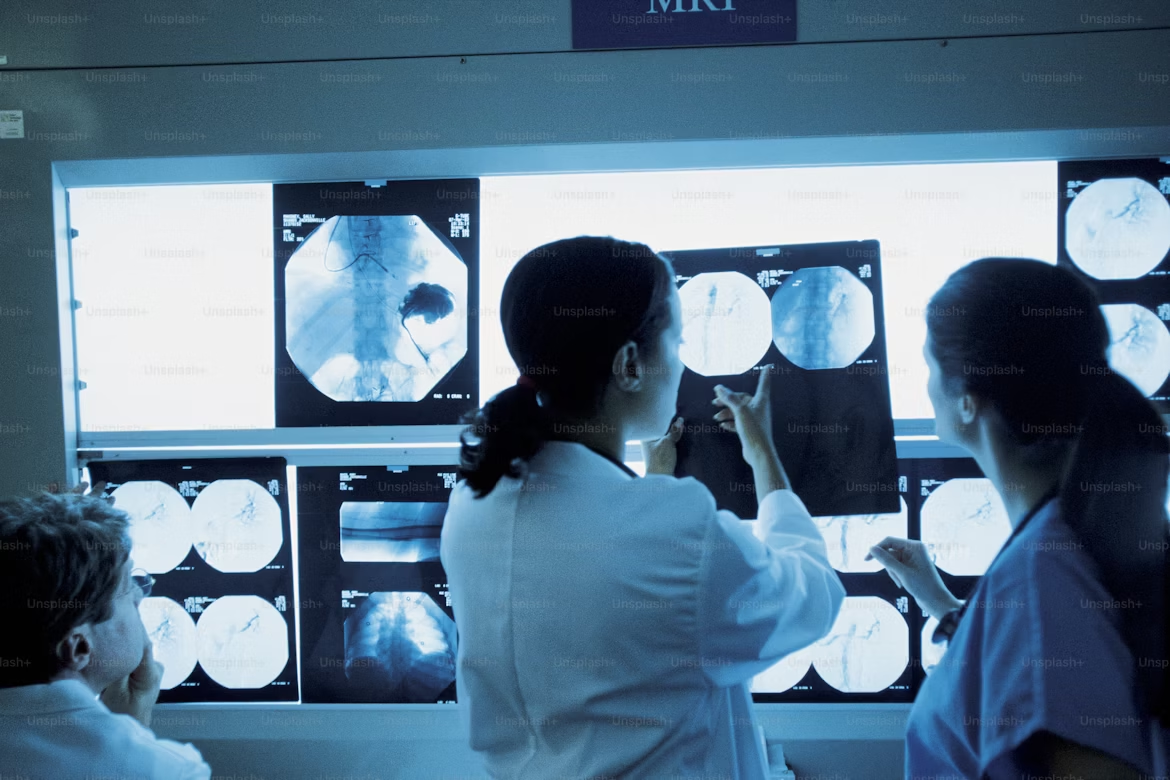
In diagnostic radiology, the radiologist analyzes the images and provides a detailed report to the referring physician, which is crucial for making an accurate diagnosis. In interventional radiology, radiologists use imaging as a guide to perform minimally invasive procedures. For example, using CT or ultrasound guidance, they can perform a biopsy by precisely guiding a needle to a tumor to get a tissue sample. They can also treat conditions by performing procedures like an angioplasty, where a balloon is used to open a blocked blood vessel, or by draining an abscess with a small catheter. These techniques often serve as a less invasive alternative to open surgery.
Our Medical Experts
Meet our highly qualified healthcare professionals dedicated to providing exceptional medical care with expertise and compassion
Dr. Harish Priya
Radiologist
Consultant Radiologist
MBBS, DMRD, DNB (Radiology)
Frequently Asked Questions
Common questions about Radiology at SSS Hospital Erode